Lectron NEXUS Tesla Charger Review For Faster Home Charging

Lectron NEXUS pairs 48 amp hardwired charging with native NACS connectivity and a 23 foot cable. This review looks at where those features matter at home.
All featured products are selected by our editors and may include affiliate links. If you purchase through these links, we may earn a commission.
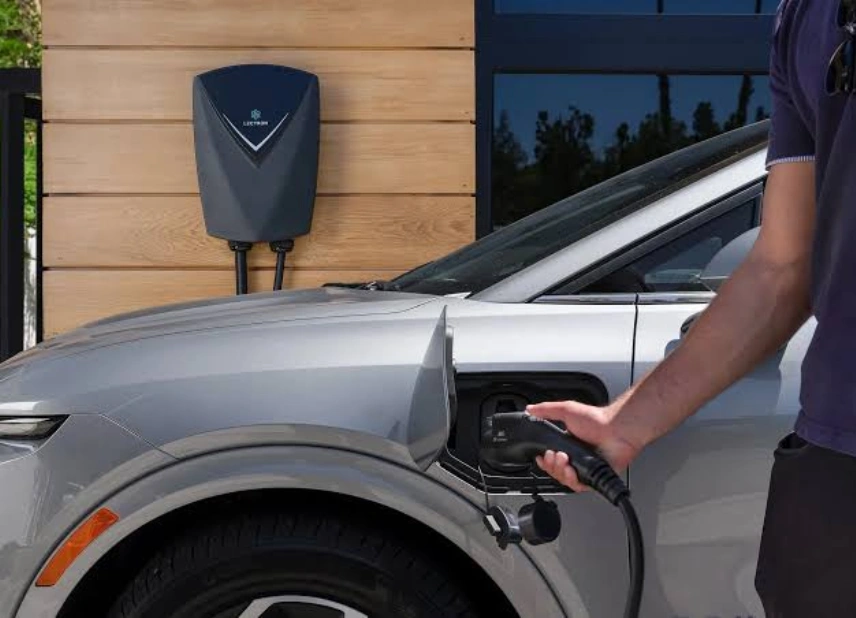
Home charging becomes much easier when your car can recover a meaningful amount of range while you sleep. The Lectron NEXUS Tesla Charger takes a simple approach with 48 amp hardwired power, native NACS connectivity, a long cable, and no dependence on charger based apps.
This evaluation goes beyond headline specs, examining charging speed, installation, outdoor use, cable positioning, safety and the subtleties that could affect everyday ownership.
What Makes Lectron NEXUS Worth It For Home Charging
Lectron designed NEXUS around a permanent 240 volt connection capable of delivering up to 48 amps and 11.52 kW. Lectron states that this can add up to 46 miles of range per charging hour, although actual results depend on the vehicle, battery condition, and temperature.
NEXUS is deliberately simple. Independent coverage indicates this variant lacks Wi-Fi connectivity and a dedicated charger app. At first glance that sounds restricting, but Tesla cars already offer scheduled charging through the car controls and the Tesla mobile app.
How NEXUS Charging Fits Into Everyday Tesla Ownership
Faster Charging Starts With A 48 Amp Hardwired Setup
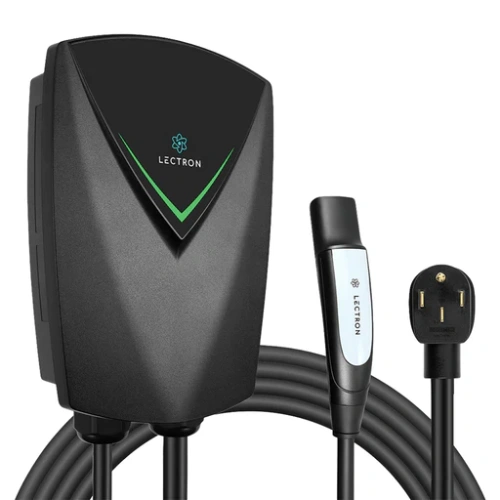
A major reason to consider this Tesla Charger is its 48 amp continuous output. At 240 volts, that gives the station a rated maximum of 11.52 kW. Unlike Lectron's 40 amp plug in NEXUS model, this version must be permanently hardwired rather than connected through a NEMA outlet.
Still requires context for maximum output. The car decides how much it can take, the charging device provides the electricity. An automobile that is limited in the amount of AC it can take will not suddenly take 48 amps just because NEXUS is able to supply it.
Native NACS Connectivity Removes An Extra Charging Step
People searching What Is Nacs Adapter are often trying to understand why some home chargers require an extra connector between the charging cable and vehicle. NACS is the charging standard originally developed by Tesla and standardized as SAE J3400. A vehicle equipped with a native NACS port can connect directly without an adapter.
Lectron gives this Nacs Level 2 Charger a native SAE J3400 connector. Tesla Model S, Model 3, Model X, Model Y, and Cybertruck are listed as compatible, alongside newer vehicles produced with native NACS ports. J1772 vehicles require a suitable NACS to J1772 adapter.
A Longer Tesla Charging Cable Makes Parking More Flexible
Cable length rarely feels important until a charger has already been fixed to the wall. NEXUS includes a 23 foot Tesla Charging Cable plus a wall mounted J Hook and connector holder. That reach can make charging easier when a driveway accommodates different parking positions or the charge port does not sit directly beside the unit.
A useful step before installation is to park exactly where the vehicle normally sits, locate its charge port, and trace the intended cable path from the proposed wall position. Allow room for curves around the vehicle instead of measuring only a straight line. Permanent charger placement is much harder to correct later.
Lectron says the cable measures about 16 mm thick and is designed to remain flexible in freezing conditions. One verified product review on Lectron's site specifically praised its reach for an outdoor installation, although the current review count remains small enough that those ratings should not be treated as broad evidence of long term reliability.
Weather Protection Supports Indoor And Outdoor Installation
Lectron currently lists the station with an IP66 rated housing designed for indoor and outdoor charging in rain, snow, heat, and dusty conditions. Built in protections cover overheating, overcurrent, voltage faults, and ground faults.
Outdoor suitability still does not remove the need for sensible placement. Cable routing, wall position, drainage, sunlight exposure, and the location of electrical equipment should be discussed with the installer before drilling begins.
What Homeowners Should Know About Lectron NEXUS Tesla Charger
Professional Installation Is An Important Part Of The Setup
This Level 2 Electric Charger requires professional hardwired installation on a dedicated 240 volt circuit. Tesla's own home charging guidance also recommends evaluating parking location, daily driving, electrical capacity, wire distance, permits, and possible panel work when planning permanent charging equipment.
The Lectron NEXUS itself worked fine once installed but the supplied instructions were different from the physical hardwire arrangement, according to one Reddit user in a July 2026 post. Support from Lectron allegedly was quick to respond.
That’s one person’s experience but it’s a useful practical lesson. Have the electrician look at the actual unit and documentation before deciding on the final conduit route and mounting position.
Vehicle Charging Limits Can Affect The Maximum Speed
Lectron's claim of up to 46 miles of range per hour should be viewed as a best case estimate and not a definitive conclusion. The amount of range recovered during a session is influenced by battery status, temperature, vehicle efficiency and onboard AC charging restrictions.
For many, the nighttime recovery is more important than the greatest hourly number attainable. Nexus Charging can serve its practical purpose when your mileage is easily swapped out during regular parking hours and it is not in operation at the theoretical maximum at all times.
Where The Lectron NEXUS Keeps Charging Simple
Tesla Controls Reduce The Need For Charger Based Smart Features
Lectron leaves WiFi and app controls out of NEXUS, making the charger comparatively simple from a software perspective. Tesla allows compatible vehicles to schedule charging through the touchscreen or mobile app, so core overnight scheduling can still happen without a second charger application.
If you want advanced charger-specific monitoring or connected controls, note that this is not included. If you only want to plug in at nite and let the vehicle manage scheduling, the basic solution may be quite fine.
Certified Safety Features Add Confidence For Daily Charging
The station is ETL Listed to UL 2594, UL 2231 and UL 2251 standards. The Lectron is ENERGY STAR and FCC certified and has electrical protection against most fault conditions.
Certification demands care, with equipment expected to be carrying considerable electrical loads for hours at a time. It’s not a substitute for proper installation, but it provides people something more useful to judge than just charging speed and looks.
FAQs
Does Lectron NEXUS Need Professional Installation?
Yes. The 48 amp device needs to be hardwired on a dedicated 240 volt circuit by someone professional. Installation requires checking electrical capacity and local standards.
Can Lectron NEXUS Be Installed Outside?
Yes. Lectron lists the housing as IP66 rated for indoor and outdoor use. Correct mounting and professional electrical installation remain important for long term outdoor use.
How Fast Can Lectron NEXUS Charge?
NEXUS can deliver up to 48 Amps at 240 Volts, providing a maximum rated output power of 11.52 kW. Lectron claims up to 46 miles of range per hour, although charging speed depends on the vehicle and conditions.
Lectron NEXUS brings together the home charging features that matter in daily use. Strong Level 2 output, native NACS connectivity, useful cable reach, weather protection, and recognized safety listings make it a practical choice when permanent installation suits your home. The lack of smart charger features is worth considering, though Tesla owners who prefer straightforward charging may appreciate the simpler setup.
Follow ChuckleCraft for more practical technology reviews and product insights.