Jacob Protein Bar Review And What Makes The Ingredients Different

Many protein bars promise clean eating but ingredient lists often tell another story. This review looks deeper at what makes Eat Jacob different and where questions still remain.
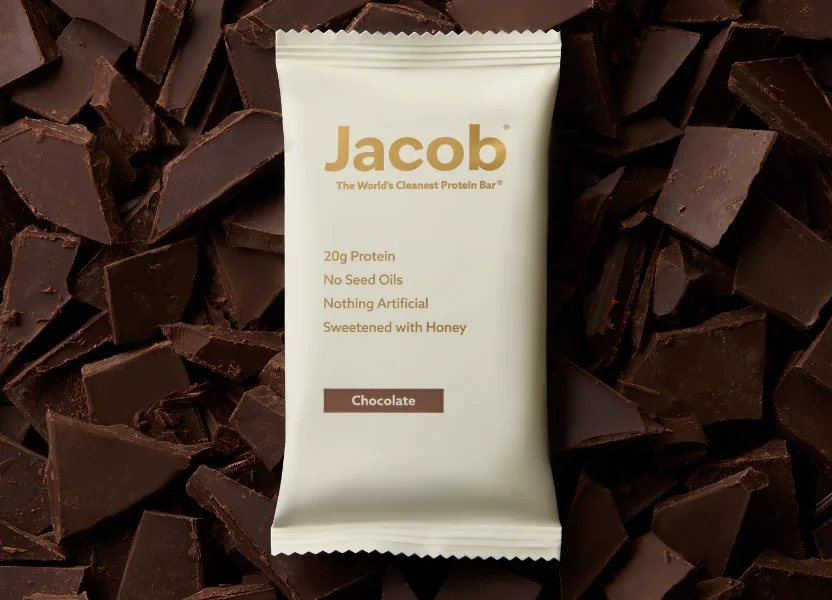
Protein bars used to be simple convenience products. Today people examine labels more closely and pay attention to ingredient quality instead of protein numbers alone.
This Jacob Protein Bar review looks at what separates Eat Jacob from many options on store shelves and why ingredient choices such as grass fed protein, honey, dates, and beef tallow have created growing interest among health conscious individuals.
What Makes The Product Different From Traditional Protein Bars
A lot of protein bars are numbers-based to begin with. High protein or low sugar might be the package’s calling cards, but vast ingredient lists with sugars, gums, oils and flavoring systems buried behind wide labels may lurk behind those claims.
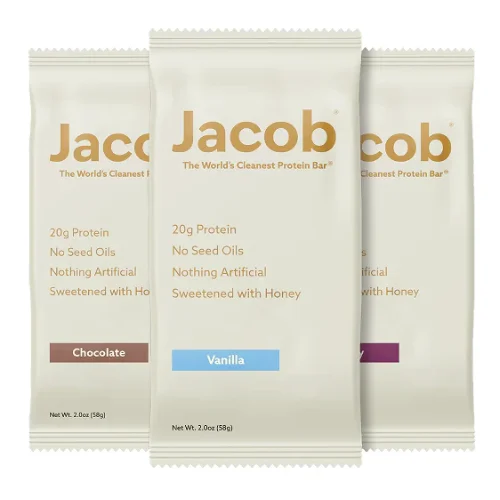
Eat Jacob takes a different tack with a focus on ingredient transparency. The corporation also regularly stresses what it leaves out as well as what it includes. NO seed oils, NO artificial sweeteners, NO preservatives, NO gums, NO soy, NO refined sugar, NO natural flavor
That difference matters because people increasingly look beyond calorie counts. Across Reddit discussions about protein snacks, recurring conversations focus on ingredient fatigue. Many people mention frustration with products that depend on sugar alcohols, modified fats, or unfamiliar additives.
Ingredient Philosophy Behind The Product
The concept behind Eat Jacob is simple. Each ingredient is there for a nutritious reason not only to make the product last longer on the shelf or to make manufacture easier.
The ingredient list reflects that approach. Grass fed protein sources provide the protein base while almond butter, honey, dates, and beef tallow support texture and flavor. Real extracts and food powders replace artificial flavor systems.
One thing neglected in protein conversations is the ingredient hierarchy. While protein quantity is given attention, ingredient quality frequently also changes your eating experience more than protein content even in some cases. When the supporting elements vary, 20 grams of protein can show up in different amounts.
Why The Formula Avoids Common Additives
People looking into Jacob Bar Ingredients usually notice one thing quickly. The company avoids several ingredients that have become standard across the industry.
Those include:
- Artificial sweeteners
- Sugar alcohols
- Seed oils
- Gums and emulsifiers
- Preservatives
- Natural flavor blends
This approach is consistent with an increasing interest in concise labels. On Reddit, discussions about protein products usually center on digestive issues caused by particular sweets and chemicals, rather than the protein itself.
What’s intriguing is that removing additives also causes tradeoffs. Texture is more difficult to work with and supplies are more pricey. Clean formulas typically get simpler, at the expense of some production shortcuts.
A Closer Look At Jacob Bar Ingredients
A closer look at Jacob Bar Ingredients shows a formula that relies heavily on animal based protein and recognizable food sources.
Nutritional information lists:
- Twenty grams of protein
- Nine grams of prebiotic fiber
- Seven grams of fat
- Ten grams of sugar from honey and dates
- Around two hundred twenty calories
People wanting to understand tend to notice one particular detail, labels. The ingredients look less like individual substances and more like foods thrown into a portable shape.
Protein Sources Used In The Formula
Eat Jacob’s protein comes from whey protein isolate, milk protein isolate, whey concentrate and collagen.
Animal based protein blends often attract attention because they contain complete amino acid profiles. Whey also tends to absorb quickly while collagen contributes structural proteins that many people associate with skin and joint support.
Some discussions on Reddit around protein choices also reveal a shift away from protein amounts alone. Many people now appear equally interested in digestibility and ingredient familiarity.
Sweeteners And Fat Sources Explained
Sweeteners create one of the biggest talking points around Jacob Protein Bars. Instead of stevia, monk fruit, or sugar alcohols, sweetness comes from organic honey and dates. That decision produces a different nutritional profile because natural sugar still counts as sugar.
Beef tallow becomes another conversation starter. Some people may find the ingredient unusual because it rarely appears in mainstream protein products. Eat Jacob describes it as a nutrient dense fat source intended to support satiety and energy.
That option makes a difference in practice, beyond just what's on the nutrition label. Sources of fat influence texture, mouthfeel and satiety after eating.
What Stands Out In Jacob Bar Reviews
Review patterns usually become useful because repeated comments reveal themes.
Taste And Texture Experience
Feedback from current Eat Jacob customers has been very positive on texture and flavour. Many reviewers laud the softer and chewier consistency compared to bars that are dry or chalky.
Similar themes are prevalent in comments across Reddit topics. One comment described the texture as chewy and silky but also mentioned that it could be sticky. Others loved the cleaner ingredient approach and honey centered flavor profile. Price was mentioned again and again as a worry.
Considerations Before Buying
No product is equally good for all.
Some issues to consider are:
- Natural sugar content still exists
- Milk and almond ingredients may affect sensitivities
- Texture preferences vary significantly
- Ingredient quality may increase cost
Those ready to pay more for what they believe is genuine openness of ingredients will find the Jacob Bar Reviews interesting. Cost and simplicity of ingredients tend to come up a lot together in these debates.
Frequently Asked Questions
Does Jacob Protein Bar Contain Artificial Sweeteners?
No Sweetness comes from honey and dates, not artificial sweeteners or sugar alcohols.
Are Jacob Protein Bars Meal Replacements?
They function more naturally as snacks or supplemental nutrition rather than complete meal replacements.
Why Does Eat Jacob Use Beef Tallow?
Eat Jacob describes beef tallow as a nutrient dense fat source that supports texture, satiety, and energy.
Does Jacob Protein Bar Contain Seed Oils?
No. The product specifically excludes seed oils from the ingredient formula.
Ingredient lists now influence decisions as much as nutrition panels. The strongest takeaway from this review is that Eat Jacob is attempting to reshape how protein bars are built by placing ingredient transparency at the center of the formula.
People who care about cleaner convenience foods may find the approach interesting, especially when protein quality and ingredient choices matter as much as nutrition numbers.
Follow ChuckleCraft for food trends and health focused content that helps simplify everyday nutrition choices.
Recent Blogs
-

AWOL Vision Projector Review: Is It the Right Choice for Your Home Theater?
-
Smooth Finish Coffee Review: Is This the Perfect Morning Brew?
-

SkinSpan™ System Review: A New Approach to Anti-Aging Skincare
-

Realistic Lightsabers Superneox Fans Keep Coming Back To
-

Top Abbode Home Décor Picks for Stylish Living